Optimal Timing for Skylight Installations
Choosing the optimal time for skylight installations depends on various factors including weather conditions, temperature, and project scope. Proper planning ensures safety, quality, and efficiency during installation processes.
Spring offers moderate temperatures and longer daylight hours, making it ideal for skylight installation projects. Weather is generally stable, reducing delays.
Summer provides extended daylight and warm weather, but extreme heat can impact materials and installation comfort. Proper planning can mitigate these issues.
Fall features cooler temperatures and less precipitation, which can facilitate installation without the challenges of summer heat or winter cold.
Winter poses risks such as snow, ice, and freezing temperatures that can complicate installation and affect material performance.

Ways to make Skylight Installations work in tight or awkward layouts.

Popular materials for Skylight Installations and why they hold up over time.

Simple add-ons that improve Skylight Installations without blowing the budget.

High-end options that actually feel worth it for Skylight Installations.
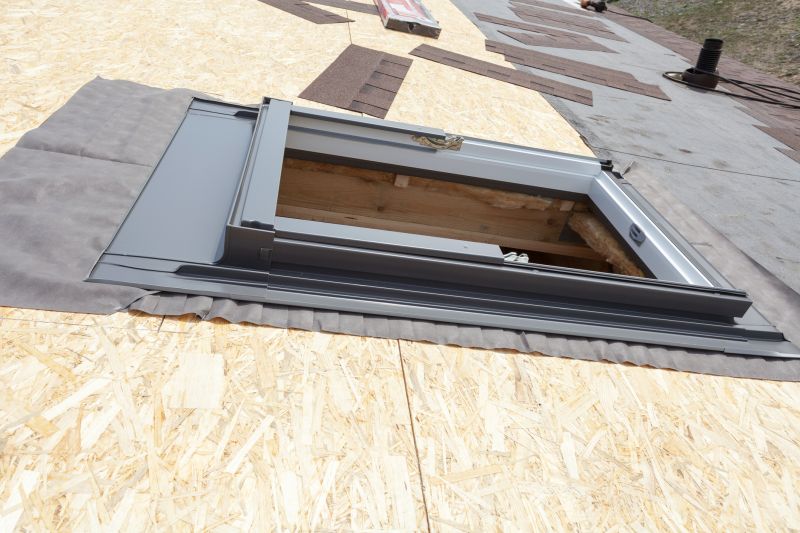
Finishes and colors that play nicely with Skylight Installations.

Little measurements that prevent headaches on Skylight Installations day.
Skylight installations enhance natural lighting, improve energy efficiency, and add aesthetic value to residential and commercial spaces. Proper timing can influence the longevity and performance of the skylight, ensuring optimal results. Weather conditions and temperature fluctuations play significant roles in installation success. For example, extreme cold can cause materials to contract, while excessive heat may affect sealants and adhesives. Planning installations during periods of mild weather minimizes risks and promotes better adherence of components.

A 60-second routine that keeps Skylight Installations looking new.

A frequent mistake in Skylight Installations and how to dodge it.
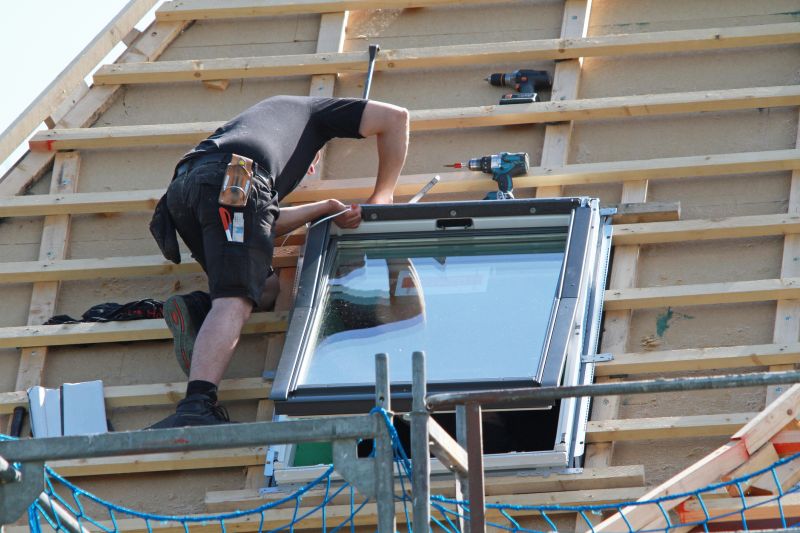
Small tweaks to make Skylight Installations safer and easier to use.

Lower-waste or water-saving choices for Skylight Installations.
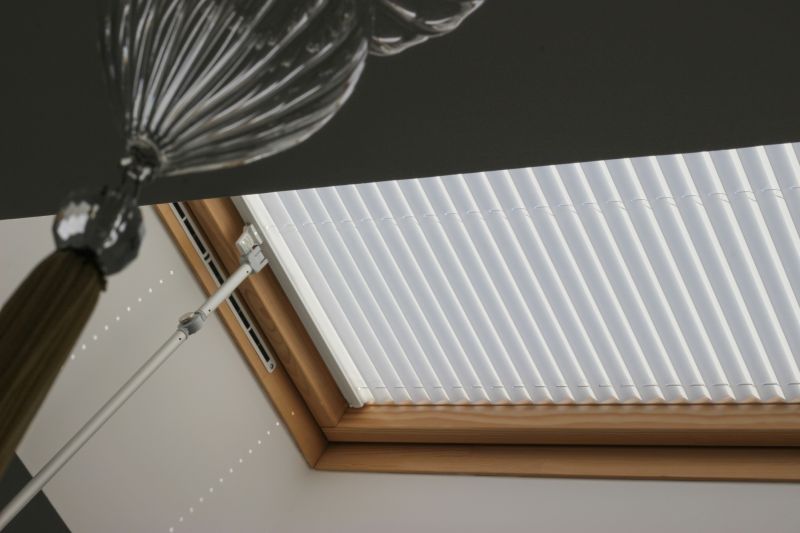
The short, realistic tool list for quality Skylight Installations.

Rough timing from prep to clean-up for Skylight Installations.
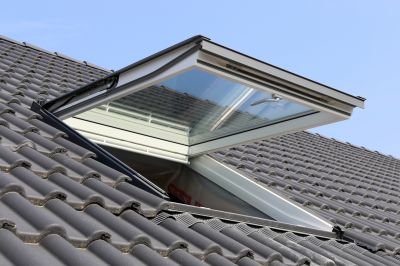
Quick checks and paperwork to keep after Skylight Installations.
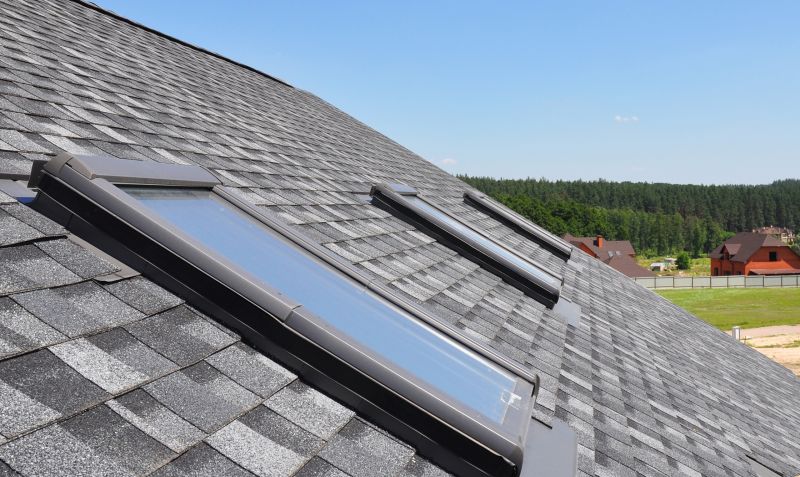
Examples that show the impact a good Skylight Installations can make.

Ways to make Skylight Installations work in tight or awkward layouts.

Ways to make Skylight Installations work in tight or awkward layouts.
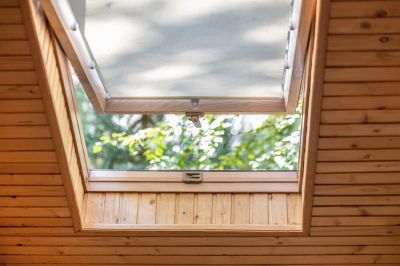
Ways to make Skylight Installations work in tight or awkward layouts.
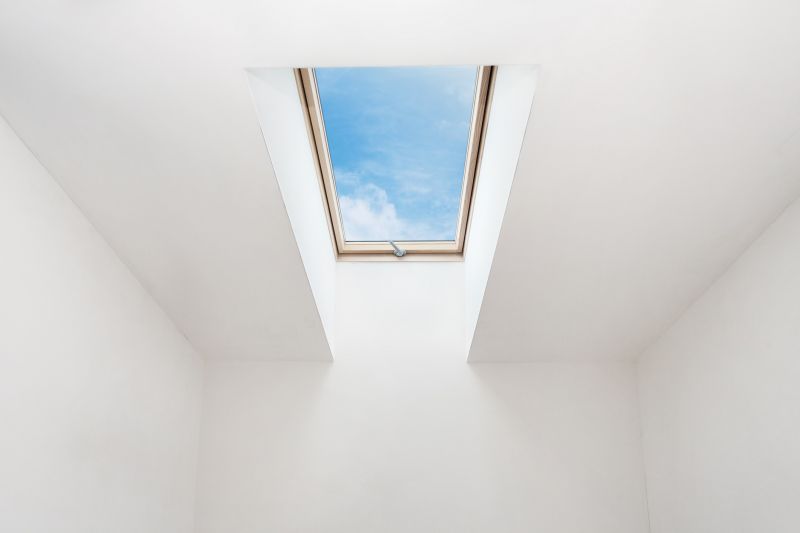
Ways to make Skylight Installations work in tight or awkward layouts.
| Season | Optimal Conditions |
|---|---|
| Spring | Moderate temperatures, stable weather, longer daylight |
| Summer | Warm weather, longer days, potential heat challenges |
| Fall | Cooler temperatures, less precipitation |
| Winter | Snow, ice, freezing temperatures |
Timing is crucial for skylight installations to ensure durability and performance. Planning during seasons with predictable weather reduces the likelihood of delays and complications. Proper preparation and scheduling can also help in managing materials and labor more efficiently, leading to a smoother installation process.